
Most of us look at a finished coloring page the same way: is it neat, did they stay inside the lines, is it "good". Those are the wrong questions for a four-year-old, and not very useful ones for a nine-year-old either. They turn a page full of decisions into a pass or a fail.
There is a better way to look, and it takes about a minute. Below are eight things you can notice in any coloring page, screen or paper. None of them is a score. None of them compares your child with anyone else. They are simply where to put your eyes, so that when the coloring changes over the months, you actually see it.
1. How many colors?
Count color families, not crayons: reds, blues, greens, yellows, browns. A page with two families is not worse than a page with six. Some weeks a child is exploring one color as far as it goes; other weeks everything in the box gets a turn. What matters is that you notice which week it is.
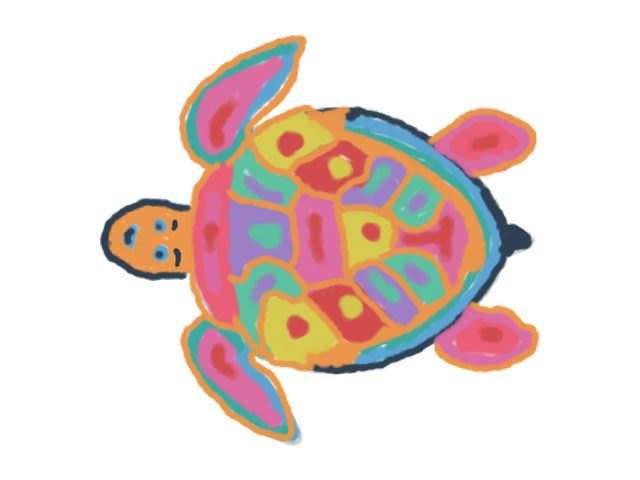
2. Do colors land in zones?
A red shell and a green head. A blue sky and a yellow plane. When different colors land on different parts of the picture, a decision was made: this part gets that color. Early on, colors sweep across the whole page regardless of the lines. Later, they start to respect regions. That shift from "color everywhere" to "color here, not there" is one of the clearest things you can watch for, and it has nothing to do with tidiness.
3. How much got filled in?
Look at how much of the figure has color on it and how much is still white paper or blank screen. Empty space is not a problem. A child may color one wing and declare the plane finished, and the plane is finished. What is worth noticing is the direction over weeks: does the filled part tend to grow? Never judge this from one page. A single drawing tells you about one afternoon.
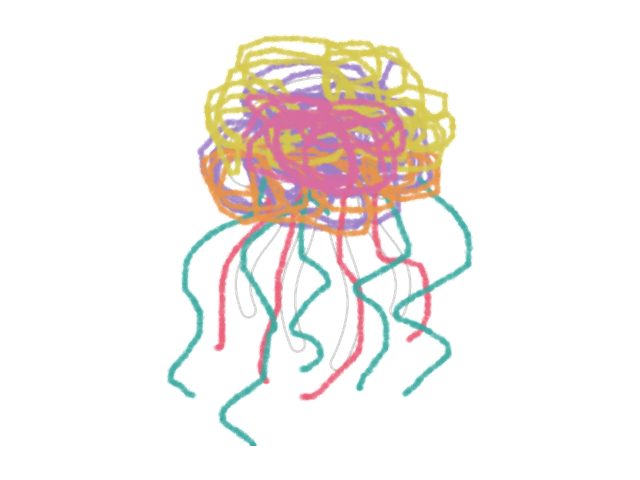

4. Inside the lines?
This is the one everyone looks at first, so here is the rule: under four, skip it entirely. Staying inside the lines asks for wrist and finger control that simply is not there yet, and pointing at it teaches a child that the page is a test. Later, from around five or six, it is a skill you can notice growing, the same way you notice a bike getting steadier. Notice it. Do not grade it.
5. Which way do the strokes go?
Tilt the page and look at the marks themselves. Round and round in circles. Back and forth in short hatches. Long sweeps all in one direction. Each of these is a stage children pass through, and they often use different strokes on the same page. Circular scribbles usually come first; consistent direction comes later; deliberate hatching to fill a shape comes later still. None of them is "better". They are a sequence, and you are watching it happen.
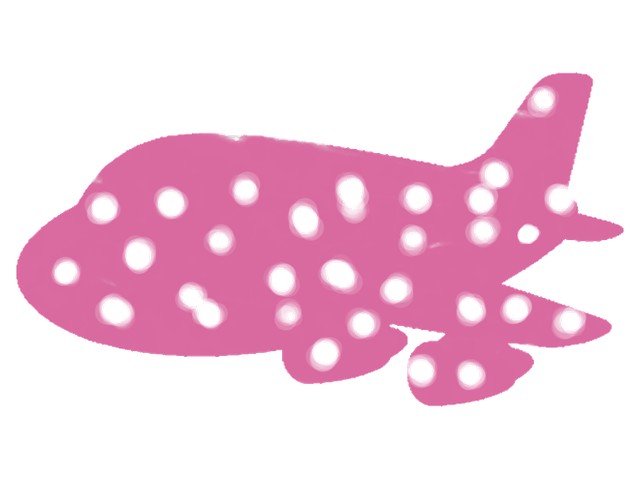
6. How hard did they press?
This one is paper only. Hold the sheet up to the light. Dark, waxy patches mean the crayon was pressed hard; faint color means a light touch; a worn or torn spot means a lot of energy went into one place. Pressure tells you about grip and strength, which change a great deal between three and seven. On a tablet the pen does not leave this trace, so do not try to read it there.
7. Where on the page?
Is the color in the middle of the figure, tucked into one corner, or spilling off the edge of the page? Placement is a choice too. Some children fill the center and ignore the edges; some start at the edge and work in; some color the background and leave the creature white. Notice the pattern, and notice when it changes.
8. Paper or screen?
The same child colors differently with a crayon on paper and a finger or pen on a screen, and that is expected. Paper gives resistance and texture; a screen gives clean edges and an undo button. So compare paper with paper and screen with screen. If your child uses both, you get two views of the same growing hand, which is a gift, not a contradiction.
Look by age, not by rule
The eight things above are the what. The how depends on age, and it is short:
- Under four: celebrate, full stop. Every page is a win. No suggestions, no lines, no "next time".
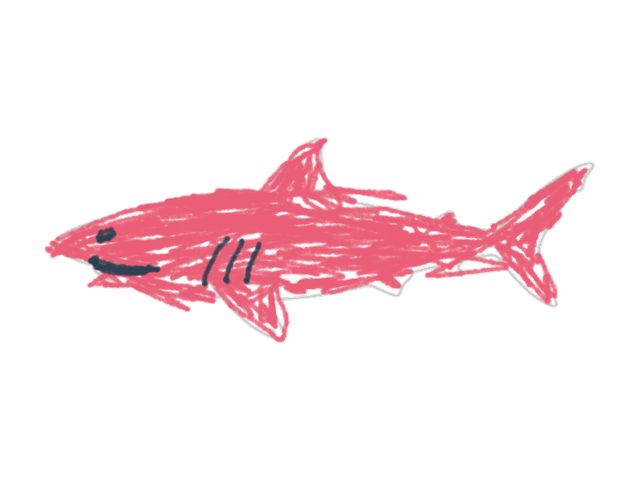
- Four to six: celebrate, and at most one gentle invitation. "Next time you could try giving the fins a different color." One. Then stop.
- Seven and up: celebrate, name one or two things you noticed ("you kept every stroke going the same way on the shell"), and offer one idea if they want it.
Two more rules that keep this honest. Never draw a conclusion from a single page; a trend needs several drawings on different days. And a stretch where nothing seems to change is normal. Plateaus are part of how children grow, not a sign that something stopped.
Keep them, date them, look back
None of this works without the one thing most families skip: keeping the drawings with the date on them. Growth in coloring is slow and quiet; you will not see it between Tuesday and Wednesday. You will see it between March and June, if the March page is still around.
A shoebox works. A folder on your phone works. In Pintsei, every creature your child colors is saved with its date automatically, on paper or on screen, so the looking-back part takes care of itself (a month of drawings on the free plan, a full year on Family). Our guide to the stages of children's coloring is a good companion once you have a few months of pages to compare.
Notice. Do not measure. Keep the pages. Look back in a month.